Residential Solar Power Explained
Why Homeowners Consider Solar Power
Most homeowners explore residential solar power for one of two reasons: to reduce long-term utility costs, or to improve energy reliability during outages. In Idaho and much of the Mountain West, both motivations are valid—but they lead to very different system designs, financing decisions, and resale implications.
Solar can be a strong fit for some homes and a poor fit for others. Understanding how systems are installed, financed, and perceived by future buyers is critical before making a decision. Using this Buyer's Solar Checklist can also be helpful.
How Residential Solar Power Works
Residential solar systems use photovoltaic (PV) panels to convert sunlight into electricity. That power can be:
- Used immediately by the home
- Stored in batteries for later use
- Sent back to the utility grid (depending on utility rules)
Most systems are grid-tied, meaning the home still relies on the utility company at night or during extended low-sun conditions unless battery storage or a generator is added.
Types of Residential Solar Installations
Roof-Mounted Solar
Roof-mounted systems are the most common. Panels are attached directly to the home’s roof structure.
Pros:
- Lower installation cost than ground systems
- No additional land required
- Often easier to permit
Cons:
- Roof condition matters—older roofs may need replacement first
- Harder to adjust panel angle after installation
- Can complicate roof repairs or replacement later
Ground-Mounted Solar
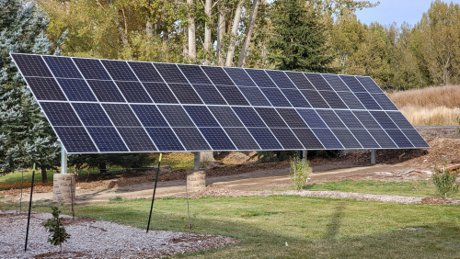
Ground-mounted systems are installed on frames or posts in a yard or field.
Pros:
- Optimal panel orientation and tilt
- Easier access for maintenance
- No roof penetration
Cons:
- Higher upfront cost
- Requires sufficient land
- May impact property aesthetics or future use
Tracking Solar Systems
Tracking systems automatically adjust panel orientation to follow the sun throughout the day.
Pros:
- Higher energy production per panel
Cons:
- Significantly higher cost
- More mechanical parts and maintenance
- Rarely justified for most residential properties
Fixed vs Adjustable Solar Panels
Most residential systems use fixed panels set at a single angle. Adjustable systems allow seasonal changes in tilt.
Fixed Panels:
- Lower cost
- Minimal maintenance
- Slightly lower annual efficiency
Adjustable Panels:
- Improved seasonal performance
- More hands-on management
- Limited resale value increase
Battery Backup vs Backup Generators
Battery Backup Systems
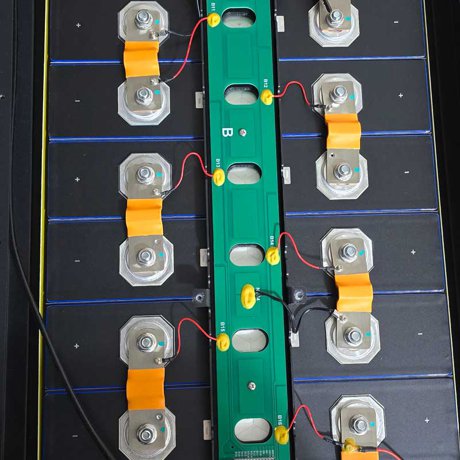 Batteries store excess solar energy for use during outages or at night.
Pros:
- Silent operation
- Instant power during outages
- No fuel dependency
Cons:
- High upfront cost
- Limited runtime during extended outages
- Batteries degrade over time
Backup Generators
Generators run on propane, natural gas, or gasoline and provide power during outages.
Pros:
- Long-duration outage coverage
- Lower cost per watt of backup power
Cons:
- Noise
- Fuel storage or supply required
- Manual or delayed startup (unless fully automatic)
Solar for Lower Bills vs Emergency Preparedness
A system designed to reduce electric bills is often very different from one designed for resilience.
- Bill-reduction systems focus on daytime production and grid interaction
- Preparedness systems prioritize batteries, load management, and backup duration
Trying to optimize for both can dramatically increase system cost without proportional benefit.
Financing Options for Residential Solar
Cash Purchase
Pros:
- Best long-term return
- No lien or payment obligation
- Most buyer-friendly at resale
Cons:
- High upfront cost
- Opportunity cost of capital
Solar Loans
Pros:
- Ownership of the system
- Lower upfront cost than cash
Cons:
- Loan payoff often required at sale
- Can complicate buyer financing
Leases and Power Purchase Agreements (PPAs)
Pros:
- Little to no upfront cost
- Predictable monthly payments
Cons:
- System is not owned by homeowner
- Transfer approval required at sale
- Frequently reduces buyer pool
Selling a Home With Solar: Short-Term vs Long-Term Owners
Planning to Stay a Few Years
- Solar rarely pays for itself quickly
- Leases and PPAs can hurt resale flexibility
- Buyers may discount value due to complexity
Planning to Stay 10+ Years
- Cash-owned systems often make financial sense
- Utility savings accumulate over time
- System age and warranties still matter at resale
Current Debates Around Residential Solar
Online discussions around solar tend to center on:
- Rising installation costs vs falling panel prices
- Changing utility net-metering policies
- Whether solar adds real resale value
- Battery costs vs generator reliability
The strongest criticism typically focuses on aggressive financing structures and oversold savings projections, not the technology itself.
Key Considerations Before Installing Solar
- Roof age and condition
- Local utility policies
- Length of time you plan to own the home
- Resale market expectations
- True goal: savings, resilience, or both
Final Thoughts
Residential solar power can be a smart long-term investment—or an unnecessary complication—depending on how it is designed, financed, and aligned with your plans for the home. The best decisions are made when homeowners understand not just the technology, but how solar interacts with resale, financing, and real-world use.
Residential Solar Power FAQs
Does solar power increase a home’s value?
Sometimes—but not always. Cash-owned solar systems that are properly permitted, well-documented, and sized appropriately may add value or improve marketability. Leased systems or solar loans often reduce buyer interest or require payoff at closing, which can offset perceived value.
What happens to solar panels when I sell my home?
If the system is owned outright, it typically transfers with the home like any other improvement. If the system is financed or leased, the loan may need to be paid off or the lease transferred—both of which can complicate the transaction and affect buyer financing.
Are solar leases and PPAs bad for resale?
They can be. Many buyers are hesitant to assume long-term solar contracts, especially if savings projections are unclear. Some lenders also scrutinize leased solar agreements, which can reduce the pool of qualified buyers.
Do solar panels work during a power outage?
Not by default. Most grid-tied solar systems shut off during outages for safety reasons. Power during an outage requires battery storage or a backup generator designed to operate independently from the grid.
Is battery backup worth the cost?
Battery systems provide quiet, immediate backup power, but they are expensive and typically only cover limited loads for a limited time. For long outages, generators are often more cost-effective. The right choice depends on whether reliability or convenience is the primary goal. In 2024 battery technology and prices have improved dramatically. As of this writing in 2026, some battery solutions are now becoming attractive as the energy density of batteries improves and the cost declines. The number of solar systems with batteries is increasing.
How long do residential solar panels last?
Most panels are warrantied for 20–25 years, but real-world performance slowly declines over time. In resale situations, buyers often factor in remaining useful life rather than original cost.
Does solar lower electric bills in Idaho?
It can, depending on system size, utility policies, and household usage. Savings vary widely and should be evaluated conservatively—especially as net-metering rules and utility rates change over time.
Is solar better for short-term or long-term homeowners?
Solar generally makes more financial sense for homeowners planning to stay 10 years or longer, especially with cash-owned systems. Short-term owners often struggle to recoup installation costs at resale.
Can solar complicate a home inspection or appraisal?
Yes. Appraisers may not assign full value to solar systems, especially if ownership or performance data is unclear. Inspectors may flag roof penetrations, wiring, or undocumented modifications.
Is solar mainly about saving money or emergency preparedness?
It depends on system design. Most residential solar systems are optimized for utility bill reduction, not outage resilience. Systems designed for emergency preparedness typically require batteries, generators, or both—and significantly higher investment.
What should buyers ask before purchasing a home with solar?
Buyers should confirm system ownership, remaining loan or lease terms, utility agreements, warranty coverage, permits, and actual historical performance—not just projected savings.