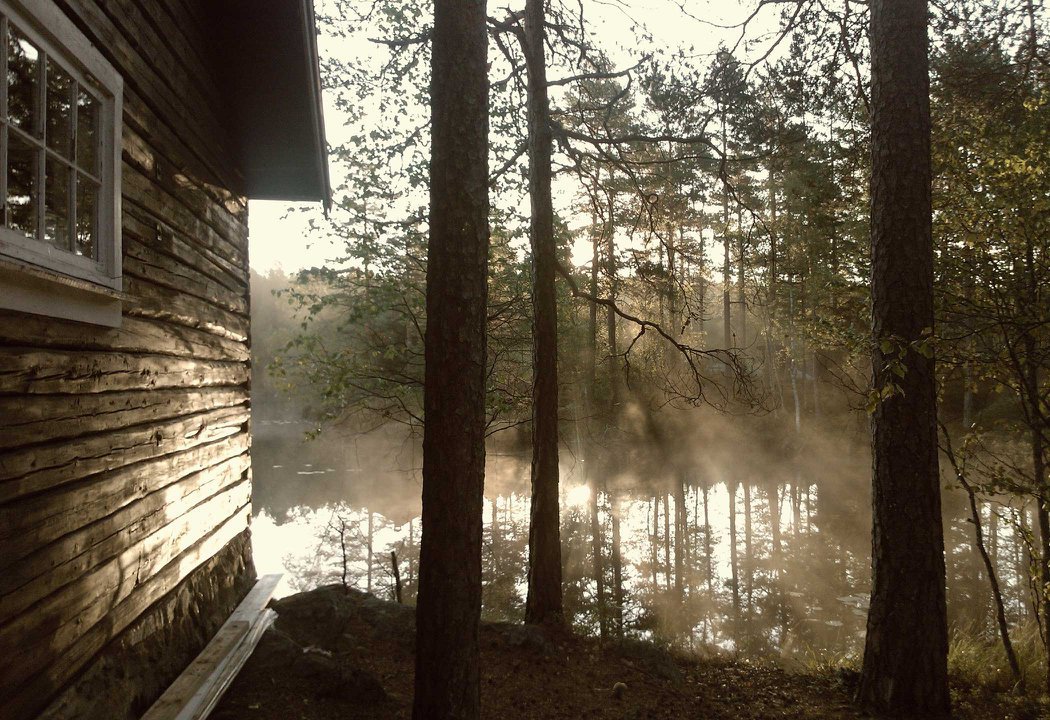
Riverfront Property in Southeast Idaho: What to Know Before You Buy
Riverfront real estate has a pull that’s hard to explain until you’ve lived next to moving water. In Southeast Idaho, riverfront can mean a home along the Snake River greenbelt in Idaho Falls, a cabin near Island Park by the Henrys Fork, acreage near American Falls Reservoir, or a fishing-focused property in Swan Valley along the South Fork.
But riverfront ownership comes with its own rulebook—some of it emotional (privacy, views, lifestyle), and some of it practical (flood risk, erosion, access, setbacks, maintenance, and what you actually “own” near the waterline). This guide is built to help you search smarter from Pocatello to Island Park and all points between.
Why Riverfront Property Is So Popular Here
People search for riverfront property in Southeast Idaho for a few consistent reasons:
- Daily lifestyle value: the view, the sound of water, wildlife, and a calmer pace.
- Recreation at your doorstep: fishing, floating, paddleboarding, birding, snow-season scenery, and quick access to trail systems and public land.
- Scarcity: there’s only so much buildable land near rivers—especially where the corridor is protected, steep, or regulated.
- Long-term appeal: well-located riverfront tends to remain desirable even as the market shifts, because it offers something “non-replicable.”
That popularity is exactly why riverfront is worth extra due diligence: buyers compete for it, and the best properties often sell based on emotion. We prefer a calm, data-backed process that protects your money and your future options.
Where “Riverfront” Means Different Things (Pocatello to Island Park)
When someone says “riverfront,” they might mean very different property types. Here’s how the corridor typically breaks down:
Pocatello, Chubbuck & Lava Hot Springs Area
- Portneuf River access: smaller corridor sections, mixed with town adjacency and varying bank stability.
- Recreation-driven pockets: areas closer to Lava Hot Springs can attract second-home and short-term-rental interest (where allowed).
American Falls & the Snake River Plain
- Reservoir lifestyle: “riverfront” sometimes means reservoir frontage (wind exposure and shoreline change can matter more here).
- Acreage with water influence: some properties are near canals, sloughs, or irrigation features—useful, but not the same as natural river frontage.
Blackfoot, Shelley & South Idaho Falls
- Snake River corridor access: you’ll see a mix of in-town waterfront, edge-of-town lots, and rural properties with longer frontage.
- Important distinction: some listings say “waterfront” but are actually adjacent to a ditch, canal, or seasonal stream—still valuable, just different.
Idaho Falls, Ammon & Rigby Area
- Greenbelt and in-town riverfront: strong lifestyle value, walkability, and views.
- Rules and access: easements, public pathways, and riparian limits can shape privacy and what you can build.
Heise, Ririe, Swan Valley & the South Fork
- Fishing-forward riverfront: this is a destination corridor. Buyers often prioritize river access, boat suitability, and bank characteristics.
- Conservation and easements: you may encounter conservation easements, access limitations, and higher emphasis on bank protection.
Ashton to Island Park (Henrys Fork, Warm River, and beyond)
- Cabins and second homes: seasonal use is common, with snow load, winter access, and maintenance planning as major factors.
- Henrys Fork influence: many buyers are specifically searching for fly-fishing adjacency and a quieter recreational feel.
Different Uses for Riverfront Property in Idaho
Riverfront means different “best use” depending on the location and the rules:
- Primary residence: daily views and privacy, but plan for year-round maintenance and insurance.
- Second home / cabin: high enjoyment value, but winterization, access, and monitoring matter more.
- Fishing property: bank type, water speed, wadeability, and access are often more important than square footage.
- Small acreage / hobby farm: potential irrigation benefit, but water rights and ditch agreements must be verified.
- Short-term rental (where allowed): can be attractive, but zoning, HOA rules, and county regulation must be confirmed before you buy.
Benefits of Owning Riverfront Property
- Non-replicable setting: you can remodel a house, but you can’t recreate a river.
- Quality of life: natural light, open views, wildlife, and outdoor rhythm.
- Stronger buyer demand: scarcity often supports long-term desirability.
- Recreation value: the “weekend trip” becomes a daily option.
Downsides (and What Smart Buyers Do About Them)
1) Floodplain and insurance realities
Some riverfront properties fall within FEMA flood zones. That can affect insurance cost, loan requirements, and renovation options. The fix isn’t fear—it’s clarity: confirm the flood zone, understand lender requirements, and price the true cost of ownership.
2) Erosion, shifting banks, and long-term stability
Rivers move. Even when the change is slow, erosion can impact usable yard space, structures, and future resale. A smart plan includes observing bank condition, looking for past stabilization work, and understanding what improvements require permits.
3) What you “own” near the waterline
In Idaho, public trust and “ordinary high water mark” concepts matter for some waterways. You may not control the riverbed the way many people assume. This is one of the most common misunderstandings we see in riverfront purchases.
4) Access and easements
Some river corridors include public pathways, access easements, utility easements, or irrigation-related easements. Easements aren’t inherently bad—but you want to understand them before you commit.
5) Maintenance and seasonal issues
- Higher humidity near water can increase wear on decks, siding, and crawlspaces.
- Snow and ice management can be heavier in higher elevations (especially Island Park/Ashton areas).
- Septic, wells, and drainage are often more sensitive near riparian corridors.
Riverfront Due Diligence Checklist (Buyer-Friendly)
If you’re serious about buying riverfront, this is the practical checklist that protects you:
- Confirm the water feature type: river vs canal/ditch vs seasonal stream vs pond vs reservoir frontage.
- Verify flood zone status: and talk with your insurance provider early.
- Review setbacks and build limitations: riparian and local zoning rules can restrict additions, outbuildings, and landscaping.
- Order a strong title review: look for access easements, shared drives, river access language, and irrigation easements.
- Ask about bank history: prior stabilization, riprap, erosion repairs, and who maintained what.
- Check utilities and systems carefully: well, septic, crawlspace moisture, and drainage patterns.
- Confirm HOA/CC&Rs (if any): especially for docks, fences, rentals, and shoreline improvements.
- Price the “real” cost: insurance + maintenance + mitigation + seasonal access + any deferred exterior work.
If you want help evaluating a specific riverfront listing, talk with a Real Estate Two70 agent. We’ll help you separate “beautiful” from “beautiful and safe to own.”
Key Riverfront Terms You’ll Hear (Plain English)
- Waterfront vs Riverfront: “waterfront” is a broad marketing label; “riverfront” usually implies adjacency to a flowing river, but listings can still be loose with the term.
- Ordinary High Water Mark (OHWM): a reference line used in Idaho for certain navigable waterways and public trust considerations.
- Floodplain / Floodway: the floodplain is the broader risk area; the floodway is typically the highest-flow zone with the strictest limitations.
- Base Flood Elevation (BFE): a modeled elevation used for flood risk planning and insurance rating.
- Riparian area: the land along the river that supports bank stability and habitat—often regulated or protected.
- Easement: a legal right for someone else to use part of your land (public access, utilities, irrigation, shared drive, etc.).
- Water rights / irrigation shares: legal rights to use water (not the same as being next to water). Always verify with documentation.
- Accretion: gradual natural change where soil is deposited and the river edge shifts over time.
- Bank stabilization: measures like riprap or engineered work to reduce erosion—often regulated depending on location.
FAQ: Riverfront Property in Southeast Idaho
Is “riverfront” the same as having private river access?
Not always. Some properties touch the corridor but have access limits, steep banks, vegetation buffers, easements, or public trust rules. The listing language is a starting point—verification is the real step.
Will my lender require flood insurance?
Sometimes. It depends on the mapped flood zone and the lender’s rules. This is why we recommend checking flood zone status early—before you fall in love with the view.
Can I build a dock or steps down to the water?
It depends on the waterway, ownership boundaries, and permitting rules. Many “shoreline improvements” are regulated, and rules can vary by location and water type.
What’s the biggest mistake riverfront buyers make?
Assuming the beautiful part is the only part. The smart move is to match the lifestyle goal with the risk profile: flood zone, bank stability, access, insurance, and long-term maintenance.
What if the property is near a canal or irrigation ditch instead of a river?
That can still be valuable (water feel, open space, sometimes irrigation benefit), but it’s a different ownership and risk profile. We’ll help you identify exactly what the water feature is and what comes with it.
Riverfront Search Strategy (How to Find the Right Fit Faster)
- Define your “must-have”: view only, direct access, fishing quality, boatable water, acreage, or proximity to town.
- Decide your tolerance for tradeoffs: flood zone, winter access, HOA rules, erosion risk, and higher maintenance.
- Be precise with location: “Pocatello to Island Park” covers very different climates, elevations, and property types.
- Verify first, negotiate second: the best riverfront negotiations come from verified facts (mapping, disclosures, easements, and condition).
When you’re ready, connect with Real Estate Two70. We’ll help you evaluate value, risk, and resale—so you can enjoy the river without surprises.
Search Riverfront Properties
Riverfront Property
- Riverfront Property near Ashton
- Riverfront Property near Driggs
- Riverfront Property near Island Park
- Riverfront Property near Rexburg
- Riverfront Property near Swan Valley
- Riverfront Property near Saint Anthony